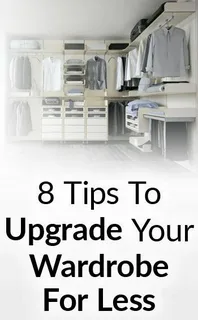
Looking stylish does not always mean spending a lot of money. In fact, some of the best-dressed people are not necessarily wearing expensive designer clothes. They simply know what works for them, choose their clothes carefully, and understand how to combine simple pieces in a smart way.
Building a stylish wardrobe on a budget is all about buying less but choosing better. Instead of filling your closet with clothes you rarely wear, you can create a collection of versatile pieces that work together in different ways. With a little planning, you can look polished, confident, and fashionable without constantly shopping.
Start With What You Already Have
Before buying anything new, take a good look at your current wardrobe. You might be surprised by how many useful pieces you already own.
Take everything out of your closet and separate your clothes into categories such as tops, trousers, dresses, jackets, shoes, and accessories. Then ask yourself a few simple questions: Do I wear this regularly? Does it fit me properly? Can I style it with other clothes I own? Do I actually like wearing it?
If something has been sitting in your closet for months without being worn, there is probably a reason. You do not have to keep something simply because you bought it.
Cleaning out your wardrobe helps you understand what you actually need. It also prevents you from spending money on pieces that look good in a store but do not fit into your everyday lifestyle.
Invest in Basic Pieces
A stylish wardrobe starts with good basics. These are simple clothes that can be worn repeatedly and combined with many different outfits.
For example, a plain white or neutral-colored T-shirt can work with jeans, trousers, skirts, shorts, or under a jacket. A well-fitting pair of jeans can also be dressed up with a nice shirt or dressed down with sneakers and a casual top.
Other useful basics include a simple button-down shirt, neutral trousers, a comfortable jacket, a versatile dress, and shoes that match several outfits.
The goal is not to own dozens of basics. Instead, choose a few pieces that fit well and that you genuinely enjoy wearing.
Choose Quality Over Quantity
When shopping on a budget, it can be tempting to buy five inexpensive items instead of one slightly more expensive item. However, this can sometimes cost you more in the long run.
A cheap shirt that loses its shape after a few washes is not necessarily a bargain. A reasonably priced shirt that stays in good condition for years can offer much better value.
This does not mean you need to buy luxury clothing. Look for clothes with good stitching, durable fabric, strong buttons, and a fit that feels comfortable.
Think about cost per wear. If you spend more on a jacket but wear it dozens of times, it may be a better investment than buying several items that you barely use.
Learn How to Mix and Match
One of the easiest ways to make your wardrobe feel bigger is to learn how to combine your clothes differently.
For example, the same pair of black trousers could be worn with a T-shirt and sneakers for a casual look. Add a blouse or button-down shirt and nicer shoes, and you have a more polished outfit.
A simple dress can also be styled in several ways. You could wear it alone, add a jacket, change the shoes, or use accessories to create a completely different appearance.
Before purchasing something, think about at least three different outfits you could create with it. If you cannot think of several combinations, it might not be the best addition to your wardrobe.
Pay Attention to Fit
You do not need expensive clothing to look well-dressed. One of the biggest differences between an ordinary outfit and a stylish one is often the fit.
Clothes that are too tight, too loose, too long, or too short can make an outfit look unfinished. On the other hand, clothing that fits your body comfortably can make even a simple outfit look much more put together.
If you find a great piece that is slightly too long or loose, consider having it adjusted by a tailor. Small alterations can make affordable clothing look much more polished.
Shop With a Plan
Impulse shopping is one of the fastest ways to waste money on clothes.
You see a beautiful top online, buy it immediately, and later realize that you have nothing to wear with it. Instead of buying based only on what looks attractive at the moment, create a shopping list.
Look at your wardrobe and identify genuine gaps. Maybe you need a pair of comfortable everyday shoes, a neutral jacket, or trousers that work for both casual and professional settings.
Shopping with a list makes it easier to stay focused and reduces unnecessary purchases.
Take Advantage of Sales Carefully
Sales can be helpful when you are building a wardrobe on a budget, but a discount does not automatically mean you are saving money.
If you buy a $50 item for $25 but never wear it, you have still wasted $25.
Before purchasing something on sale, ask yourself whether you would still want it if it were not discounted. Also consider whether it fits your existing wardrobe and lifestyle.
Seasonal sales can be especially useful for buying quality basics at lower prices. Just avoid buying something simply because the price looks attractive.
Explore Thrift and Secondhand Shopping
Thrift stores and secondhand platforms can be excellent places to find stylish clothing for less.
You may find high-quality jackets, dresses, jeans, handbags, and other pieces at a fraction of their original price. Secondhand shopping can also help you discover unique items that are not commonly found in regular stores.
The key is patience. Do not feel pressured to buy something just because it is inexpensive. Look carefully at the condition, fabric, stitching, and fit.
Use Accessories to Change Your Look
Accessories can make a simple outfit feel completely different.
A basic outfit consisting of jeans and a plain shirt can look casual with sneakers and a simple bag. Add a watch, jewelry, sunglasses, or a stylish handbag, and the same clothing can feel much more intentional.
You do not need a huge collection of accessories. A few versatile pieces can make a big difference.
Accessories are also a relatively affordable way to experiment with trends without replacing your entire wardrobe.
Take Care of Your Clothes
One of the best ways to save money on fashion is simply to make your clothes last longer.
Follow washing instructions, avoid unnecessary washing when possible, store clothing properly, and repair small problems before they become bigger ones.
A loose button is easy to fix. A small tear can often be repaired. Shoes can sometimes be cleaned or repaired instead of immediately replaced.
Taking care of your clothes means you will not have to shop as frequently.
Develop Your Own Style
Finally, remember that being stylish is not about copying every trend you see online.
Fashion trends come and go, but personal style can last for years. Pay attention to the colors, shapes, fabrics, and outfits that make you feel comfortable and confident.
You might discover that you prefer simple and classic clothing. Someone else might enjoy colorful outfits and bold accessories. There is no single definition of stylish.
The most important thing is to wear clothes that suit your personality, lifestyle, and budget.
Final Thoughts
Building a stylish wardrobe without spending too much is completely possible. You do not need a closet overflowing with clothes or a collection of expensive designer labels.
Start by understanding what you already own. Focus on versatile basics, choose quality where it matters, pay attention to fit, shop with a plan, and use accessories to create variety. Consider thrift stores and secondhand options, and take good care of the clothes you already have.
Most importantly, remember that style is not about how much you spend. It is about how thoughtfully you choose and wear what you have.
A small, carefully planned wardrobe can give you more outfit options, reduce unnecessary spending, and help you feel confident every time you get dressed.
Leave a Reply