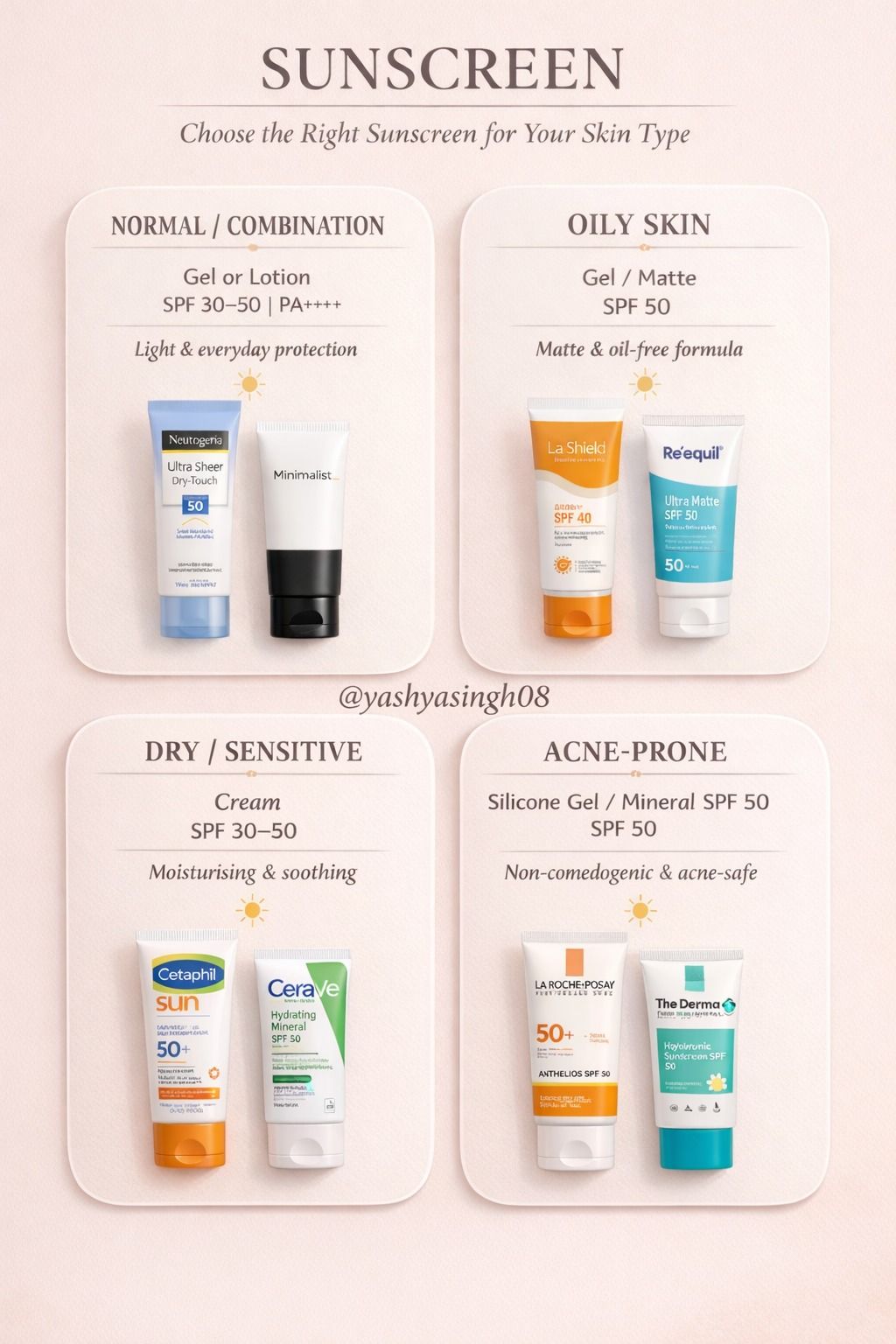
Dry skin and sunscreen have always had a slightly complicated relationship. Most people find that formulas leave their skin feeling worse than before they applied it. That’s usually a formulation problem rather than a sunscreen problem — and once you know what to look for, the experience changes completely.
Why Most Sunscreens Feel Wrong on Dry Skin
Dry skin lacks enough natural oils to maintain its moisture barrier, which means it loses water faster than it can hold onto it. Sunscreens formulated for oily or combination skin tend to be lightweight and alcohol-heavy, which strips away what little moisture dry skin already has. The result is often tight, flaky skin by midday.
A good sunscreen for dry skin avoids this by building in hydrating ingredients alongside the UV filters, rather than relying on the drying agents that keep formulas light for other skin types.
What to Look For
Ingredients matter more than the SPF number when choosing a sunscreen for dry skin. Glycerin, hyaluronic acid, ceramides, and plant-based emollients are all good signs in a formula — they support moisture retention while the sunscreen does its actual job of filtering UV rays.
Alcohol-free or low-alcohol formulas are worth prioritizing, and a cream or lotion texture typically performs better on dry skin than a gel or water-based spray, for the same reason.
Chemical vs. Physical Filters
For dry skin, chemical sunscreens tend to work better overall. Physical filters like zinc oxide or titanium dioxide can leave a dry, powdery finish that feels uncomfortable on skin that’s already tight or flaky. Chemical filters generally blend more smoothly and come in more emollient bases.
That said, dry and sensitive skin sometimes goes the other way, favoring physical filters since they sit on top of the skin rather than absorbing into it. Mineral sunscreens designed specifically for sensitive, dry skin often use moisturizing bases and finer particles to sidestep the usual dryness issue.
Summer and Climate Considerations
Summer heat brings its own challenges, since it encourages more frequent reapplication — something dry skin types often find uncomfortable when reapplying over already-dried-out product. A sunscreen that also moisturizes cuts down on the number of steps in your routine and helps skin avoid that stripped, tight feeling through the day.
Climate matters too. In coastal, humid areas, a lighter formula is usually tolerable, while inland or drier regions call for a richer texture, even if it feels a bit heavier in the heat.
Choosing One That Works Under Makeup
For anyone layering sunscreen under makeup, a formula that sits well without pilling makes a real difference — cream textures tend to work better here than gels. A sunscreen with a slight blurring or priming effect can also help when it’s one of several products layered over already-dry skin.
At the end of the day, the best sunscreen for dry skin is simply the one you’ll actually use every day without your skin feeling worse afterward. A formula you stop reaching for because it’s uncomfortable offers zero protection, no matter how high its SPF rating.
This article is for general information and isn’t a substitute for advice from a dermatologist, especially if you have specific skin concerns.
Leave a Reply