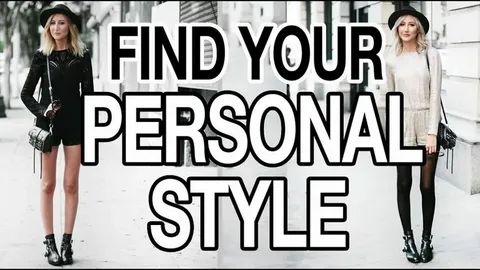
Fashion is more than simply putting clothes on before leaving the house. What you wear can say something about your personality, mood, lifestyle, and even how you want people to see you. However, finding your personal fashion style can sometimes feel confusing, especially when trends are changing constantly.
You may see an outfit online that looks amazing on someone else, only to try something similar and realize that it does not feel like you. That is completely normal. Personal style is not about copying another person’s wardrobe. It is about discovering what makes you feel comfortable, confident, and authentic.
The good news is that you do not need an expensive wardrobe or a perfect understanding of fashion to develop your own style. It starts with paying attention to what you already like and gradually making choices that reflect who you are.
Start by Looking at Your Current Wardrobe
Before going shopping, take some time to examine the clothes you already own.
Look through your wardrobe and identify the pieces you wear most often. Maybe you constantly reach for jeans and simple T-shirts. Perhaps you prefer dresses, oversized shirts, colorful tops, or classic trousers.
Your favorite clothes can give you clues about your personal style.
Pay attention to colors, patterns, fabrics, and shapes that repeatedly appear in your wardrobe. If most of your favorite outfits are simple and neutral, you may naturally prefer a minimalist style. If your closet contains bright colors and interesting patterns, you may enjoy a more expressive approach to fashion.
There is no right or wrong answer. The goal is simply to understand what you naturally gravitate toward.
Think About Your Lifestyle
Your personal style should fit your everyday life.
Someone who works in an office may need more formal or smart-casual clothing, while someone who works from home may spend most of their day in comfortable casual clothes. A student, business owner, traveler, or parent may have completely different clothing needs.
Think about where you spend most of your time and what you normally do during the day.
There is little value in creating a wardrobe full of formal clothing if you rarely attend formal events. Similarly, buying lots of delicate pieces may not be practical if your daily routine requires comfortable and durable clothes.
The best personal style is one that works with your actual lifestyle rather than against it.
Find Your Favorite Colors
Color can have a huge effect on how an outfit looks and feels.
Start by identifying the colors you enjoy wearing. Look at your wardrobe and notice which colors appear most frequently. You might discover that you prefer black, white, beige, brown, navy, or gray. Or perhaps you feel happiest wearing red, green, pink, yellow, or other brighter shades.
You do not need to limit yourself to a specific color palette. Instead, create a group of colors that you know you enjoy combining.
Having a few favorite colors can also make shopping easier because you will know which new pieces are likely to work with the clothes you already own.
Pay Attention to Fit
Style is not only about color and design. Fit is just as important.
A simple outfit can look great when the clothing fits comfortably and suits your proportions. On the other hand, even an expensive outfit may not look right if the clothes are uncomfortable or poorly fitted.
Try different silhouettes to discover what you prefer. You might like fitted tops with loose trousers, oversized shirts with straight-leg jeans, or flowing dresses with structured jackets.
Do not assume that you have to wear a particular style because it is currently popular. Experiment with different shapes and keep the ones that make you feel good.
Create a Style Inspiration Collection
One useful way to understand your style is to collect pictures of outfits you genuinely like.
You can save images from fashion websites, social media, magazines, or other places that inspire you. After collecting several outfits, look at them together.
You may begin to notice patterns.
Perhaps many of the outfits use neutral colors. Maybe you keep saving outfits with sneakers, tailored trousers, vintage pieces, or oversized jackets.
These patterns can help you identify the elements of fashion that appeal to you.
Remember, inspiration is not the same as copying. Use other people’s outfits as ideas and then adapt those ideas to your own personality and lifestyle.
Experiment Without Buying Everything
You do not have to completely change your wardrobe overnight.
Try experimenting with clothes you already own. Wear a shirt differently, tuck it into your trousers, add a jacket, change your shoes, or introduce an accessory.
Small changes can make familiar clothes feel new.
You can also experiment with different combinations before spending money on new pieces. This allows you to discover what you actually like instead of buying clothes based on a temporary feeling.
Don’t Feel Pressured by Trends
Fashion trends can be fun, but they do not have to determine your entire wardrobe.
A trend may look fantastic on social media and still not suit your personality or lifestyle. That does not mean your style is boring.
If you like a trend, try incorporating a small element of it into your wardrobe. For example, instead of buying an entirely new outfit, you might choose a trendy bag, pair of shoes, or accessory.
This allows you to experiment while maintaining your own identity.
Invest in Versatile Pieces
Once you begin understanding your style, focus on building a wardrobe around versatile clothing.
Look for pieces that can be worn in several different ways. A well-fitting pair of trousers, a simple shirt, a comfortable jacket, a versatile dress, and quality everyday shoes can become the foundation of many outfits.
Before buying something, ask yourself whether you can create at least three outfits with it.
If the answer is yes, the item is more likely to become a useful part of your wardrobe.
Consider Comfort
Never underestimate the importance of comfort.
If you constantly adjust your clothes, struggle to walk in your shoes, or feel uncomfortable throughout the day, you probably will not enjoy wearing the outfit regardless of how fashionable it looks.
Comfort does not mean sacrificing style. There are plenty of ways to combine comfortable clothing with a polished appearance.
When you feel comfortable in what you are wearing, you are also more likely to carry yourself naturally and confidently.
Give Yourself Time
Personal style does not appear overnight.
Your preferences may change as your lifestyle, interests, career, and personality develop. Something you loved several years ago may no longer feel like you, and that is perfectly normal.
Think of personal style as something that evolves rather than something you have to discover once and keep forever.
Allow yourself to experiment. Make mistakes. Try different colors and silhouettes. Keep what works and move on from what does not.
Final Thoughts
Finding your personal fashion style is ultimately about understanding yourself.
Look at the clothes you already love, consider your lifestyle, experiment with colors and silhouettes, collect inspiration, and pay attention to what makes you feel comfortable and confident.
You do not need to follow every trend or spend a lot of money to have great style. A thoughtful wardrobe filled with clothes that genuinely suit you can be much more valuable than a closet packed with pieces you rarely wear.
Most importantly, give yourself permission to change. Your style does not have to fit into one specific category. It can be casual one day, elegant the next, and completely different on another occasion.
Fashion is a form of self-expression, so the most important question is not simply, “Is this trendy?” It is “Does this feel like me?”
Leave a Reply